

The Importance of Double Glass and Hollow Wall Insulation in Real Estate Quality of Life 2026
Reserve your unit now and take your first steps towards successful investment.
If you have any questions, please fill out the following form, and we will contact you as soon as possible.
Double glass and hollow wall insulation in real estate
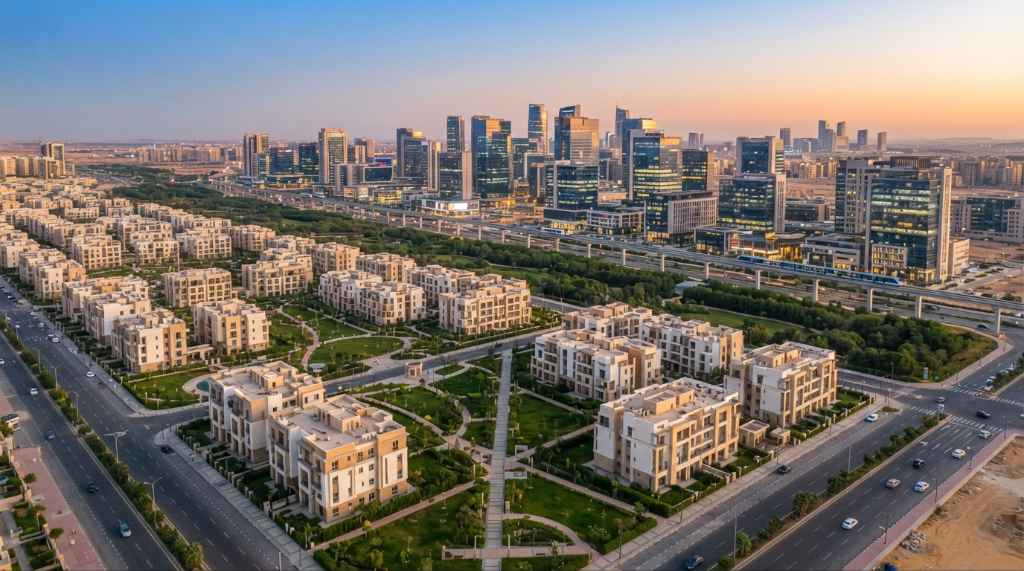
In the Fifth Settlement and New Cairo real estate market, choosing a residential or administrative unit is no longer limited to square footage, facade views, or the developer’s brand name alone. With scorching summer temperatures and growing traffic along major arteries such as Mohamed Naguib Axis, North and South 90th Street, and the Suez Road, smart homebuyers and discerning investors are looking at deeper criteria that dictate a property’s long-term value. This is where double glass and hollow wall insulation in real estate stands out as one of the most decisive factors separating an ordinary concrete structure from a home that delivers genuine quiet, thermal stability, and financial sustainability.
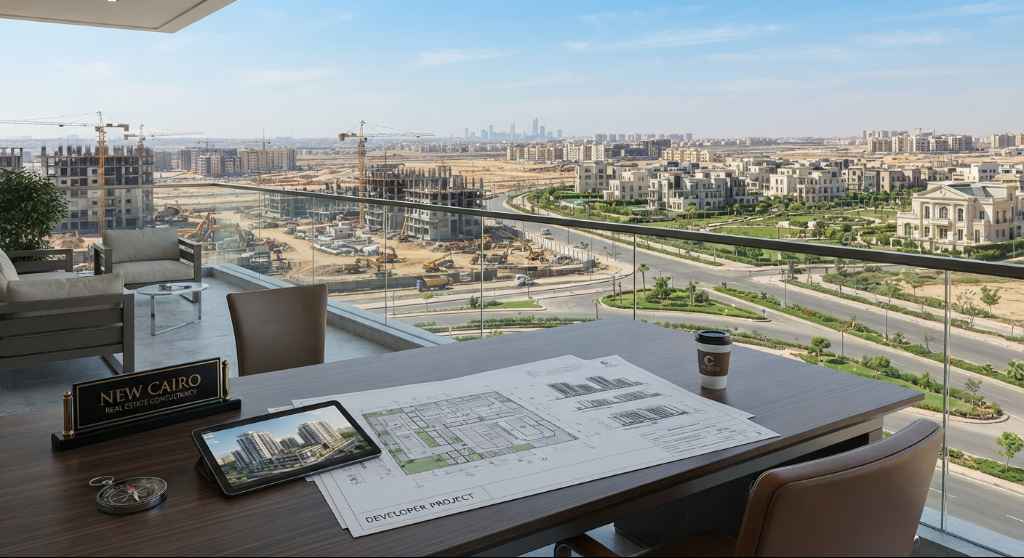
As a real estate consultant and SEO specialist in the New Cairo property sector, I see daily how buyer questions have evolved in 2026. Enquiries are no longer restricted to “What is the price per square meter?” or “What are the payment plans?” Instead, buyers routinely ask: “Is the apartment soundproofed against street noise?”, “How will the air conditioning hold up at the peak of August?”, and “Do the finishes and structure truly support construction quality and thermal insulation?” Answering these questions is what makes the difference in day-to-day living comfort as well as the property’s investment value upon resale or rental.
- Section One: Why Double Insulation Has Become a Decisive Standard for Real Estate Quality of Life in the Fifth Settlement and New Cairo
- Section Two: The Technical Anatomy of Double Glass and Hollow Wall Insulation and Its Specifications in Real Estate
- Section Three: The Investment and Economic Impact of Double Insulation in the Fifth Settlement and New Cairo Real Estate Market
- Final Conclusion:
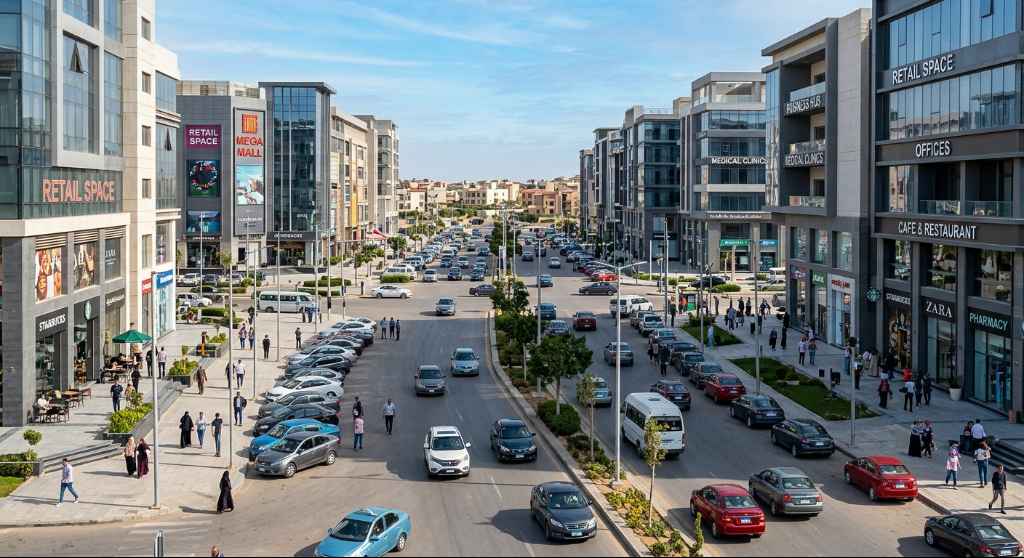
Own your commercial property Your administrative office Your medical clinic
In the best locations in New Cairo
Section One: Why Double Insulation Has Become a Decisive Standard for Real Estate Quality of Life in the Fifth Settlement and New Cairo
When we talk about real estate quality of life, we are referring to the everyday details a visitor might miss during a quick ten-minute tour, yet a resident experiences every single hour of the year. Across neighborhoods such as New Narges, Beit Al Watan, Lotus, Al Andalus, North Rehab, and communities bordering New Cairo’s vital corridors, buildings face pronounced climatic fluctuations alongside steadily increasing urban and commercial noise.
Relying on thin single-leaf walls or standard aluminum profiles fitted with single-pane glass leaves a unit vulnerable to heat and noise transfer. This drives up operational loads on air conditioners and increases indoor fatigue. Conversely, double glass and hollow wall insulation in real estate acts as an integrated engineering shield that upgrades the building’s outer envelope, protects family comfort, and boosts the property’s appeal to tenants and buyers seeking an elevated standard of living.
How Double Insulation Enhances Residents' Daily Quality of Life
The value of double insulation becomes unmistakable when we connect structural engineering to daily life inside the home:
Acoustic Calm and Privacy: The acoustic insulation impact on residential units is immediately noticeable in bedrooms and home offices—especially in properties overlooking main roads or busy service zones—where external noise drops substantially, improving sleep quality and concentration.
Indoor Thermal Stability: Instead of experiencing sudden “heat pockets” near windows or west- and south-facing walls, double insulation maintains a balanced indoor temperature and minimizes thermal variations between rooms.
Reducing Home Energy Consumption: When a home retains its cool air in summer and relative warmth in winter, air conditioning units do not have to run at maximum capacity for hours on end. This directly contributes to reducing home energy consumption, lowering monthly electricity bills, and extending equipment lifespan.
Protecting Interiors from Humidity and Condensation: Minimizing sharp temperature differentials between indoors and outdoors curbs water vapor condensation on cool surfaces, preserving paintwork, plaster, and interior finishes in top condition for years longer.
Understanding the Hollow Wall and Double Glazing System in Real Estate Projects
From a practical standpoint in the Egyptian real estate market, double glazing does not operate in isolation from walls, nor do hollow walls alone suffice if wide glass openings are poorly insulated. Windows and glazed facades are typically the fastest weak points for thermal and acoustic leakage if not executed to proper specifications.
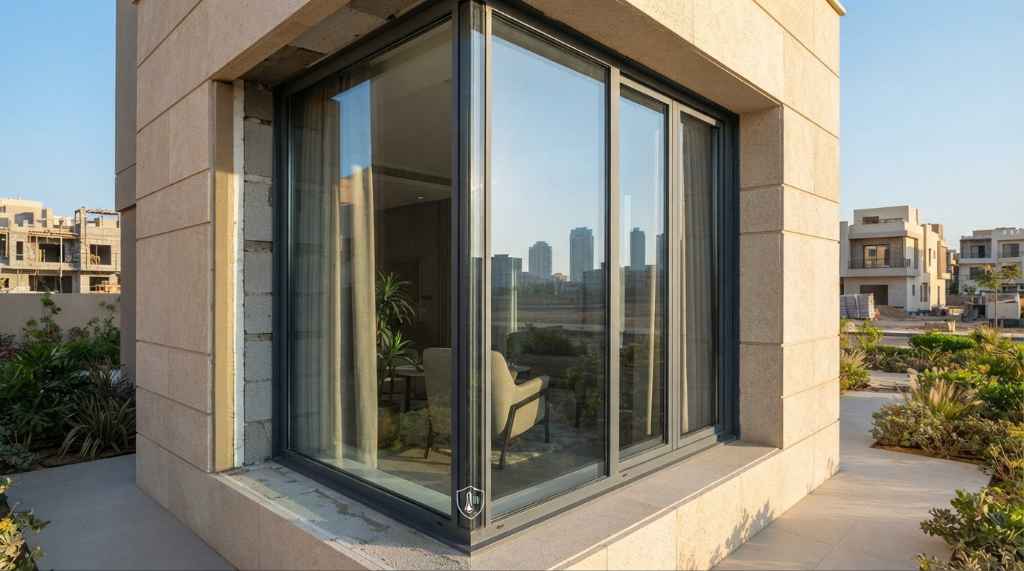
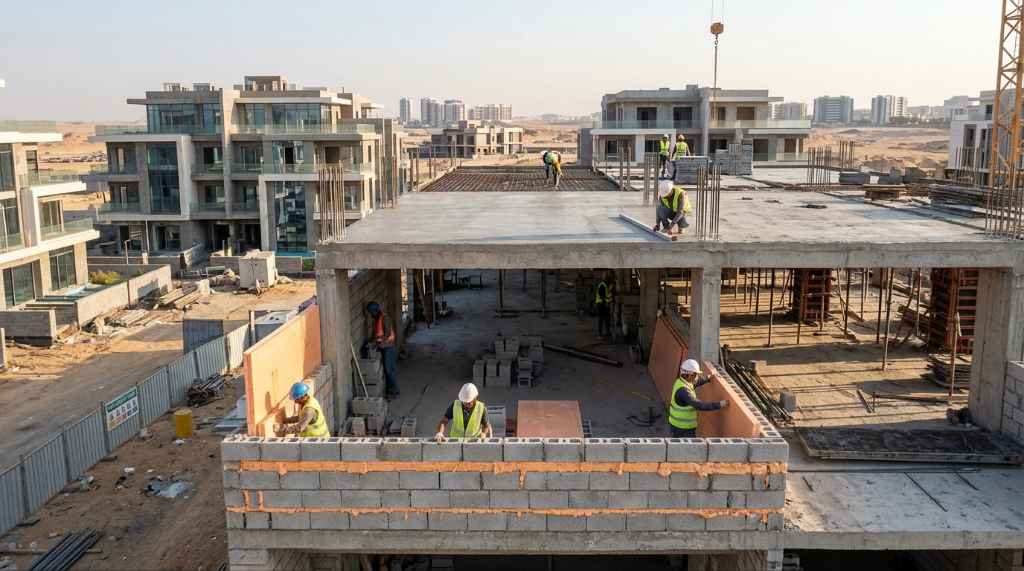
True double glass advantages emerge when two glass panes are separated by a calculated air or gas cavity, paired with tight perimeter sealing and sturdy frames that block air infiltration and dust. At the same time, hollow wall systems rely on constructing two masonry leaves separated by an air cavity or a dedicated insulating core to break the path of heat and sound conduction through the wall mass. When both elements work together in a balanced system, they deliver the construction quality and thermal insulation that residents feel across every season of the year.
| Comparison Criteria | Traditional / Single Insulation | Double Insulation (Double Glass + Hollow Walls) | Impact on New Cairo Properties |
| Acoustic Insulation | Limited; easily penetrated by street and pedestrian noise | High; significantly dampens sound frequencies and external noise | Greater comfort in units near major axes and commercial hubs |
| Thermal Stability | Fluctuates rapidly under direct sunlight | More consistent and balanced across living spaces | A calmer, more comfortable indoor climate at peak summer |
| Electricity Consumption | Higher due to prolonged AC runtime | Lower; directly supports reducing home energy consumption | Ongoing operational savings and higher resale appeal |
| Finish Preservation | Vulnerable to moisture effects and material expansion | Superior protection for interior paintwork and walls | Lower periodic maintenance costs for the unit |
Frequently Asked Questions About the Importance of Double Insulation in Real Estate
Q: Is double insulation important for interior-facing units or those overlooking rear garden views, or only for main street facades?
A: While facades facing main roads or direct sunlight benefit the most, double insulation is also valuable for interior-facing units. It reduces sound transmission from compound activity and walkways while helping maintain steady indoor temperatures and reducing home energy consumption year-round.
Q: Does double insulation increase a property’s investment value in the Fifth Settlement and New Cairo?
A: Yes. In a competitive market like New Cairo, units that combine a prime location with verifiable build quality attract more serious tenants and buyers, and they face far less aggressive price negotiation over heat or noise drawbacks.
Q: When is the best stage to plan for double glass and hollow wall insulation?
A: Early planning during the design, construction, or core-and-shell finishing phase—before installing final window profiles and paintwork—is always ideal, preventing costly modifications or demolition later on.
Section Two: The Technical Anatomy of Double Glass and Hollow Wall Insulation and Its Specifications in Real Estate
To grasp the true value of double glass and hollow wall insulation in real estate, it is not enough to rely on a marketing line in a project brochure claiming “soundproof and heat-insulated facades.” In the Fifth Settlement and New Cairo market, where execution standards vary noticeably from one developer and project to another, buyers and investors need to understand the technical details that distinguish genuine insulation from superficial claims.
When we examine the outer envelope of any residential or administrative building in New Cairo, engineering efficiency depends on the seamless integration of two core components: the window and glazed facade system on one side, and the exterior masonry walls and structural partitions on the other. Any flaw in executing one weakens the overall performance of the building, even if the other is built to the highest standard.
First: The Technical Anatomy of Double Glazing and How It Works
Technically known as an Insulated Glass Unit (IGU), double glazing is far more than two panes of glass placed side by side at random. It is a precision-engineered assembly consisting of four primary components:
The Glass Panes: The system combines an outer pane and an inner pane. In upscale residential developments, specifying asymmetric thicknesses (such as 6 mm for the outer pane and 4 mm or 5 mm for the inner pane) is strongly recommended, as differing thicknesses disrupt sound waves across multiple frequencies and amplify the acoustic insulation impact on residential units.
The Air or Gas Cavity: This is the sealed space between the two panes, typically ranging between 12 mm and 16 mm in well-engineered residential applications. The cavity is filled either with dehydrated air or an inert gas such as Argon, which is denser than air and conducts heat far more slowly—substantially elevating construction quality and thermal insulation.
The Spacer Bar: A slender perimeter frame separating the two glass panes around all edges. It contains a desiccant material designed to absorb any trapped moisture inside the cavity, preventing internal fogging or condensation between the panes over the years.
The Dual Sealant System: Two layers of specialized sealing compounds hermetically seal the edges of the glass unit, preventing the insulating gas from escaping and blocking humid air or dust from entering the cavity.
When Do Double Glass Advantages Translate into Real Performance Inside the Apartment?
Many homeowners in New Cairo install double-glazed windows only to be surprised when street noise or fine dust still seeps inside. In most cases, the culprit is not the glass itself, but the frame profile, hardware, and installation quality. To unlock the full double glass advantages, the glazing must be paired with:
Heavy-Duty Multi-Chamber Aluminum or UPVC Profiles: Frames engineered to support the weight of double glazing while minimizing thermal conduction through the frame itself—especially aluminum systems equipped with a Thermal Break.
High-Elasticity EPDM Rubber Gaskets: Flexible seals that ensure tight compression when the sash closes, eliminating wind whistling and blocking fine dust during Khamaseen windstorms.
Multi-Point Locking Hardware: Mechanisms that press the window sash evenly against the frame around its entire perimeter rather than at a single central latch.
Proper Perimeter Sealing Around the Subframe: Filling micro-gaps between the window frame and the concrete or brick opening with specialized polyurethane foam and weatherproof silicone, since even a tiny gap can compromise acoustic and thermal performance.
Second: The Technical Anatomy of Hollow Walls (Cavity Walls)
Exterior walls account for the largest surface area of a building’s facade. Consequently, their structural composition forms the backbone of construction quality and thermal insulation, particularly on south- and west-facing elevations exposed to prolonged direct sunlight across East Cairo.
A hollow wall system typically consists of three layers:
The Outer Leaf: An exterior masonry wall built to withstand direct weather exposure, including solar radiation, wind, rain, and daily thermal cycles.
The Cavity or Intermediate Insulation Layer: A dedicated space separating the two masonry leaves, either left as a controlled still-air cavity or filled with specialized thermal and acoustic insulation boards such as Extruded Polystyrene (XPS) or Rockwool, depending on design specifications and project budgets.
The Inner Leaf: The interior masonry wall facing the living space, which receives plastering, electrical conduits, and final paintwork.
How Hollow Walls Change the Equation of Comfort and Energy Consumption
When intense sunlight beats down on a building with a traditional single-leaf wall, heat gradually conducts through the brick and mortar into the room, causing the wall to radiate trapped heat well after sunset. In a hollow wall system, however:
The outer leaf absorbs the initial solar thermal shock.
The air cavity or intermediate insulation layer acts as a thermal break that slows heat transfer and disperses acoustic vibrations.
The inner leaf remains noticeably cooler and more stable, easing the workload on air conditioners and directly contributing to reducing home energy consumption.
Exterior moisture is prevented from migrating to interior wall surfaces, protecting finishes against efflorescence (salt damp) and peeling paint.
Technical Specification Comparison Table Across Common Systems in New Cairo Properties
| Structural / Finishing Element | Common Traditional Specifications | Standard Good Double-Insulation Specifications | Superior Specifications (Flagship Projects) |
| Glazing Composition | Single glass pane (4 mm or 6 mm) | Double glazing (6 mm + 12 mm cavity + 4 or 6 mm) | Reflective or Low-E double glazing filled with Argon gas |
| Frame Profile Type | Lightweight single aluminum without thermal break | Heavy-duty aluminum with tight gaskets or UPVC | Thermal-break aluminum or multi-chamber UPVC |
| Exterior Wall Assembly | Single brick wall (12 cm or 25 cm thickness) | Hollow wall with an intermediate air cavity | Hollow wall insulated with XPS boards or Rockwool |
| Acoustic Performance | Low; traffic noise penetrates clearly | Very good; noticeably dampens external noise | Excellent; delivers superior soundproofing for main facades |
| Impact on Electricity Use | High during peak summer and winter months | Lower by a noticeable margin during AC operation | Maximum efficiency in reducing home energy consumption |
Practical Checklist for Buyers and Investors Inspecting a Unit in the Fifth Settlement
As a real estate advisor, I urge every client—before signing a purchase contract or accepting unit handover in the Fifth Settlement or New Cairo—not to settle for vague promises in sales brochures, and instead verify the following details:
Review the Technical Specifications Clause in the Contract: Confirm that “Double Glass” is explicitly stated, along with frame profile types and the construction method of exterior walls and inter-unit partitions.
Inspect Frame Profiles on Site in Mock-Up Units: Check for the internal spacer bar between the two glass panes, test the sash closing compression, and listen for the drop in ambient noise the moment the window latches shut.
Pay Special Attention to Sun- and Noise-Exposed Orientations: North- and east-facing units experience different thermal loads than west- and south-facing ones, just as units overlooking main highways differ from those facing landscaped internal gardens. Therefore, double glass and hollow wall insulation in real estate becomes non-negotiable on hot or main-axis elevations.
Technical FAQs About Double Glazing and Hollow Walls
Q: Does single reflective glass eliminate the need for double glazing?
A: No. Single reflective glass only reduces a portion of direct solar glare; it lacks an insulating cavity to block conductive heat transfer or dampen noise effectively. Combining double glazing with a reflective or Low-E coating delivers the strongest thermal and acoustic performance.
Q: Do hollow walls reduce the net interior floor area of rooms?
A: The difference in wall thickness is minimal relative to the unit’s total footprint, whereas the gains in construction quality and thermal insulation, indoor quiet, and electricity savings far outweigh a few centimeters in exterior wall thickness.
Q: How can I tell if the double glazing installed in an apartment is intact and has not lost its seal?
A: Intact double glazing remains completely crystal clear from the inside, with zero water vapor, condensation droplets, or dust trapped between the two panes. Persistent fogging inside the cavity indicates a failed perimeter seal requiring replacement of the glass unit.
Section Three: The Investment and Economic Impact of Double Insulation in the Fifth Settlement and New Cairo Real Estate Market
When a seasoned real estate investor evaluates any buying opportunity in the Fifth Settlement or New Cairo, they consistently weigh a clear formula: upfront acquisition cost versus operational return and resale market value. In a mature, highly competitive market featuring dozens of residential compounds and commercial developments across Beit Al Watan, New Narges, Lotus, Al Andalus, and 90th Street, double glass and hollow wall insulation in real estate has become one of the key differentiators transforming a property from an “ordinary unit” into a “high-appeal investment asset.”
Market experts today recognize a fundamental reality: the modest upfront premium required to execute professional double insulation during construction or finishing is not a financial burden—it is an investment that pays for itself over time through lower utility bills, stronger rental yields, faster resale liquidity, and reduced maintenance costs across the lifecycle of the property.
First: How Double Insulation Drives Return on Investment (ROI) and Resale Value
A property’s market value in New Cairo is directly shaped by several performance factors tied to the quality of its exterior building envelope:
Stronger Appeal for Residential and Administrative Rentals: A tenant paying premium rent in the Fifth Settlement—whether a family seeking long-term comfort or a company leasing a corporate office—places thermal comfort and acoustic peace at the top of their checklist. Here, the acoustic insulation impact on residential units and commercial spaces acts as a decisive factor that lowers vacancy rates and attracts reliable, long-term tenants.
Protecting Competitive Pricing at Resale: During periods of market stabilization or heightened inventory supply, buyers compare similar units within the same district down to the finest detail. A property backed by verifiable construction quality and thermal insulation alongside double-glazed facades immediately outperforms conventionally built alternatives, giving the seller stronger pricing power.
Lower Long-Term Maintenance and Operating Expenses: Well-insulated units keep central or split air conditioning systems running efficiently for years longer while shielding interior walls from hairline cracks caused by continuous thermal expansion and contraction—significantly reducing recurring upkeep expenses for the owner.
Second: Economic Feasibility and Reducing Home Energy Consumption
Amid steadily rising energy costs and heavier reliance on modern cooling and heating systems, reducing home energy consumption has become a tangible financial priority for every household and investor. When a building combines true double glass advantages with the thermal resistance of hollow walls, heat gain inside the apartment drops sharply during summer while indoor warmth is retained more effectively in winter.
This thermal balance delivers three immediate economic benefits:
Shorter Air Conditioner Runtimes: Cooling systems reach the target thermostat temperature faster and allow the compressor to cycle off for longer intervals rather than running continuously at full load.
Avoiding Oversized AC Equipment: In poorly insulated properties, owners often have to purchase higher-tonnage air conditioners than the room’s actual square footage warrants just to compensate for heat leakage. With proper insulation, standard-capacity units perform effortlessly at peak efficiency.
Future-Proofing Asset Value: The Egyptian and regional real estate markets are steadily shifting toward green building and sustainability benchmarks, making energy-efficient homes better aligned with future buyer expectations and mortgage financing standards.
Economic Feasibility Comparison Table: Conventional Unit vs. Double-Insulated Unit
| Economic Comparison Factor | Conventional Unit (Single Glass & Single Wall) | Unit with Double Glass & Hollow Wall Insulation | Investment Outcome for the Owner |
| Initial Construction / Finishing Cost | Slightly lower upfront | Modestly higher during execution | Minimal upfront differential recovered through operations |
| Electricity & Cooling Bills | High, especially during summer and on sun-exposed facades | Lower thanks to reducing home energy consumption | Continuous monthly cash savings throughout occupancy |
| Rental Demand Rate | Moderate; may face tenant complaints over heat or noise | High; attracts quality-conscious, quiet-seeking tenants | More stable and predictable annual rental yield |
| Resale Negotiating Power | Weaker against newer, higher-specification properties | Strong; supported by construction quality and thermal insulation | Faster liquidity and superior capital preservation |
| Maintenance & Repainting Costs | Higher due to thermal stress and moisture on interior walls | Lower due to a stable indoor microclimate | Extended lifespan for paintwork and interior finishes |
Third: A Practical Roadmap for Buyers, Investors, and Developers in New Cairo
To capture the maximum return from double glass and hollow wall insulation in real estate—whether you are purchasing a primary residence, building an investment portfolio, or developing a standout project in the Fifth Settlement—follow these actionable steps:
For Homebuyers: Never let a unit’s location or interior layout distract you from inspecting facade and window specifications. Ask specifically about glass thickness, the presence of a genuine insulating cavity, frame profile quality, and exterior wall composition—especially for corner units, west-facing elevations, or properties overlooking main roads.
For Real Estate Investors: When comparing two similarly priced properties in New Cairo, prioritize the unit offering superior acoustic and thermal insulation; end-users and tenants in 2026 are far more conscious of ongoing operating costs and everyday living comfort.
For Core-and-Shell (Semi-Finished) Unit Owners: If you receive your property semi-finished, allocate budget priority to upgrading windows to thermally broken or UPVC double-glazed systems and insulating sun-exposed exterior walls before plastering and painting, as retrofitting later is substantially more expensive and disruptive.
Frequently Asked Questions About Real Estate Investment and Double Insulation in the Fifth Settlement
Q: Does double insulation justify paying a slightly higher purchase price for an apartment or villa in New Cairo? A: Yes, provided the insulation is built to genuine technical specifications rather than superficial marketing claims. Cumulative savings on electricity and maintenance—combined with stronger rental demand and resale value—more than offset the initial price difference while upgrading your daily quality of life.
Q: Which property types in the Fifth Settlement benefit most from double glass and hollow wall insulation? A: Units overlooking main highways and commercial arteries rank first, followed by top-floor penthouses and roof units, properties featuring expansive floor-to-ceiling glass facades, and west- or south-facing units exposed to intense afternoon sun.
Q: Can acoustic and thermal insulation be upgraded in an already-finished property without demolishing walls? A: Yes. Substantial improvement can be achieved by replacing legacy windows with UPVC or thermal-break aluminum profiles fitted with hermetically sealed double glazing, alongside installing interior insulated drywall lining (such as gypsum board backed with rockwool) on walls most exposed to direct sun or street noise.
Conclusion:
Ultimately, real-world performance across the Fifth Settlement and New Cairo proves that a winning property unites a strategic location with disciplined engineering execution. As double glass and hollow wall insulation in real estate becomes a cornerstone of construction quality and thermal insulation, investing in these specifications stands out as the smartest decision for anyone seeking effortless comfort today and resilient capital growth for years to come.






Let's discuss your next move >
Our specialized team will contact you ASAP.